
Flood
Insurance
Protect Your Home From Costly Water Damage
Flood
Insurance
Protect Your Home From Costly Water Damage
Add Flood Protection to Your Home Insurance
Did you know that most standard homeowner's or renter's insurance policies don't
cover flood damage? It's a common misconception — and a costly one. In fact, FEMA reports that over 20% of flood claims come from properties in low- to moderate-risk areas. The truth is, flooding can happen anywhere, and having the right coverage can
save you from unexpected financial stress.
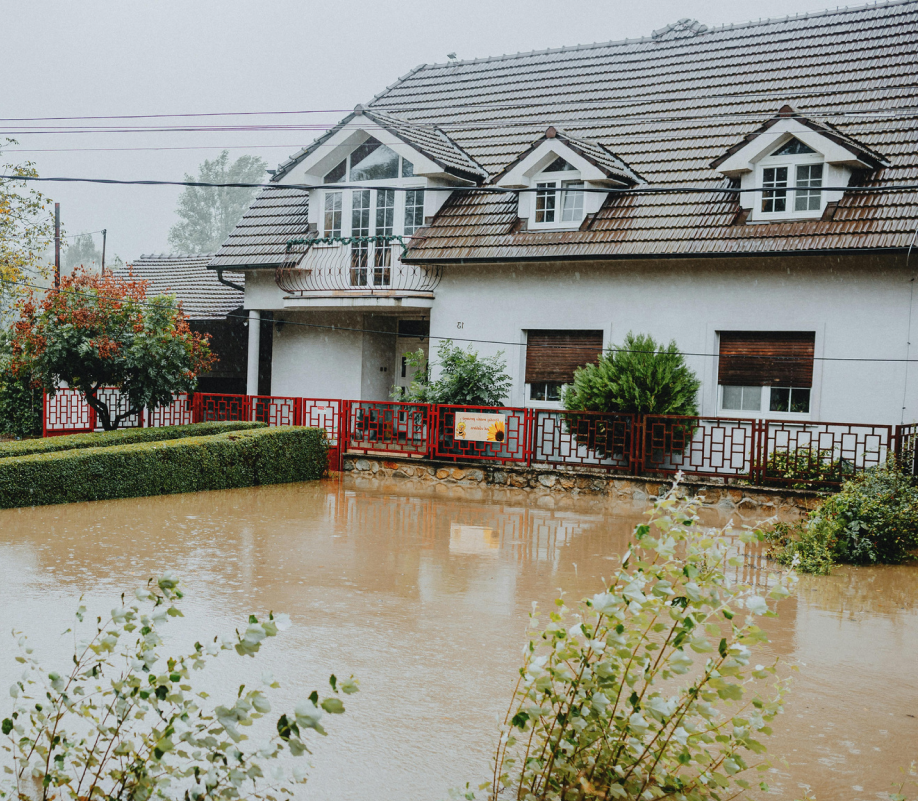
Add Flood Protection to Your Home Insurance
Did you know that most standard homeowner's or renter's insurance policies don't
cover flood damage? It's a common misconception — and a costly one. In fact, FEMA reports that over 20% of flood claims come from properties in low- to moderate-risk areas. The truth is, flooding can happen anywhere, and having the right coverage can
save you from unexpected financial stress.

What Does Flood Insurance Cover?
Flood insurance adds an essential layer of protection against water damage caused by:
Heavy or prolonged rainfall
Storm surges and overflowing rivers
Rapid snowmelt
Blocked or overwhelmed drainage systems
Without flood coverage, the cost of repairs and replacements after these events falls entirely on you.
What Does Flood Insurance Cover?
Flood insurance adds an essential layer of protection against water damage caused by:
Heavy or prolonged rainfall
Storm surges and overflowing rivers
Rapid snowmelt
Blocked or overwhelmed drainage systems
Without flood coverage, the cost of repairs and replacements after these events falls entirely on you.
Understanding Flood Insurance Coverage
Generally, flood insurance includes Building Coverage and Content Coverage:
Building Coverage Includes:
Foundations and structural walls
Electrical and plumbing systems
Water heaters, furnaces, and built-in appliances
Permanently installed flooring and carpeting
Content Coverage Includes:
Furniture and personal belongings
Clothing and electronics
Portable appliances (like microwaves and window A/C units)
Washers, dryers, and kitchen equipment
Understanding Flood Insurance Coverage
Generally, flood insurance includes Building Coverage and Content Coverage:
Building Coverage Includes:
Foundations and structural walls
Electrical and plumbing systems
Water heaters, furnaces, and built-in appliances
Permanently installed flooring and carpeting
Content Coverage Includes:
Furniture and personal belongings
Clothing and electronics
Portable appliances (like microwaves and window A/C units)
Washers, dryers, and kitchen equipment
Ready to protect what matters?
Ready to start your journey to clean, renewable energy?
Contact us today for a free consultation.
At Squirrel Insurance, we understand the instinct to protect what's most precious: your family's future. Like a busy squirrel planning for winter, we help you secure your financial safety net.



Main Page
Offers
©2025 Squirrel Insurance Group Inc. All Rights Reserved Privacy Terms